AI Processed Human Approved
How can organizations use digital technology to improve environmental performance and achieve economic benefits?
Key findings
- Synthesized literature into a multidimensional framework detailing the antecedents, moderators, and outcomes of digital sustainability.
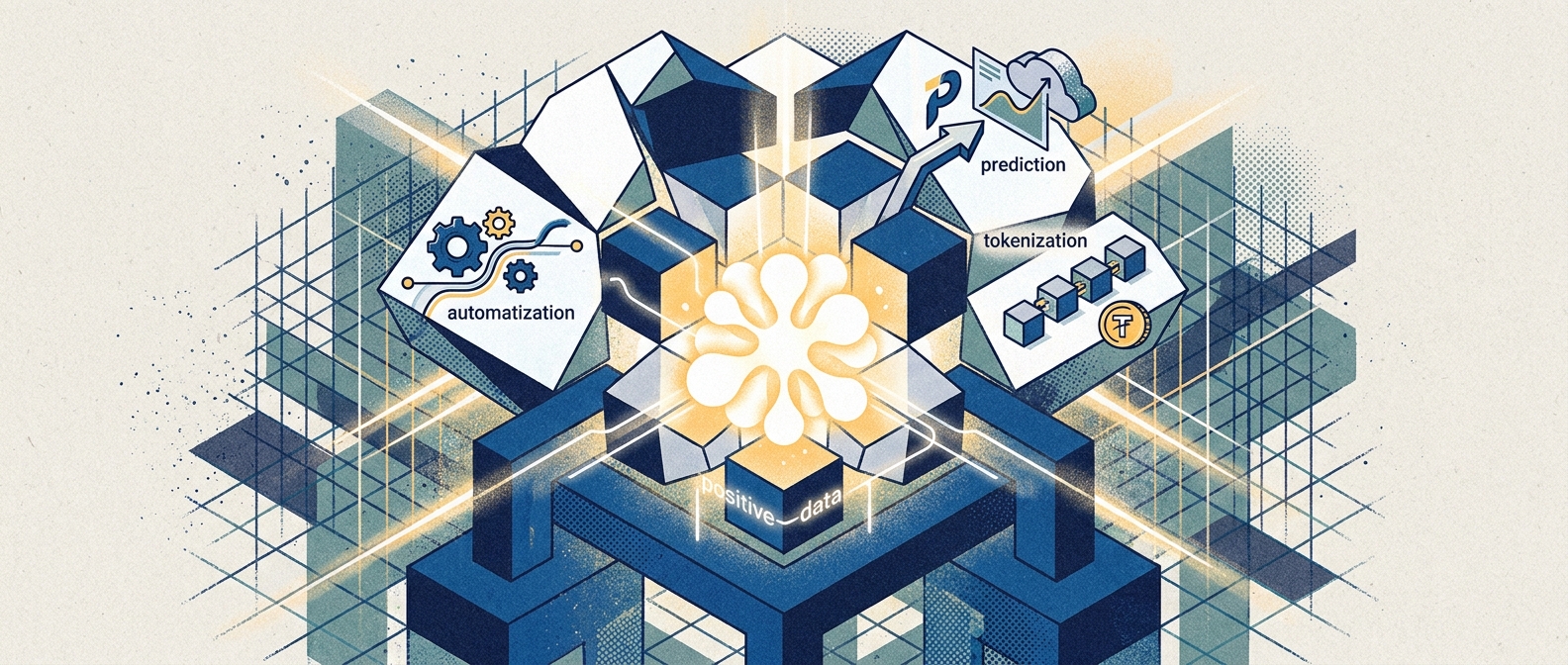
- Identified 14 sustainability-enabling logics showing how digital technology drives value creation, such as automatization, prediction, tokenization, and servitization.
- Categorized consequences into economic benefits, enhanced green employee/customer behavior, and improved environmental performance, alongside critical considerations like digital energy consumption.
- Proposed a research agenda around three main avenues: organizational transformation, product-level value creation mechanisms, and managing the duality/paradox of digital sustainability.
What it means for you
- CIO / IT Executive: On Monday morning, initiate a review of your organization's current digital infrastructure against the 'antecedents' dimension of the digital sustainability framework. Prioritize identifying at least one area where technology can be leveraged for 'automatization' to reduce physical resource consumption (e.g., paperless workflows, virtual meetings replacing travel).
- IT Manager: On Monday morning, identify one specific digital tool or process currently in use (e.g., cloud storage, software updates) and evaluate its potential 'digital energy consumption.' Research and propose to your team one tangible step to optimize its energy efficiency, such as scheduling software updates during off-peak hours or reviewing cloud storage policies for unused data.
- Business Strategist: On Monday morning, examine your current product or service offerings and identify an opportunity to apply one of the 'sustainability-enabling logics' presented in the research. For example, explore how 'servitization' (offering a service instead of a product) could reduce material waste and extend product lifespan.
- Researcher: On Monday morning, focus on the 'product-level value creation mechanisms' research agenda. Select one of the 14 identified logics (e.g., 'prediction') and brainstorm how it could be applied to develop a testable hypothesis related to reducing a specific environmental impact within an organizational context. Outline the initial steps for designing a pilot study.
- Policymaker: On Monday morning, review existing digital infrastructure policies and identify areas where incentives can be introduced or strengthened to encourage 'enhanced green employee/customer behavior' through digital means. For example, consider proposing a policy that rewards teams who demonstrably reduce their digital carbon footprint through technology adoption.