New
(2025) AI Processed Human Approved
Email stress:Towards a new understanding of its causes and impacts
This conceptual study analyzes how email use produces contradictory perceptions of threat (distress) and opportunity (eustress). It organizes existing literature into a transactional model of email stress (TMES) that distinguishes between the experiences of message senders and receivers.
Problem
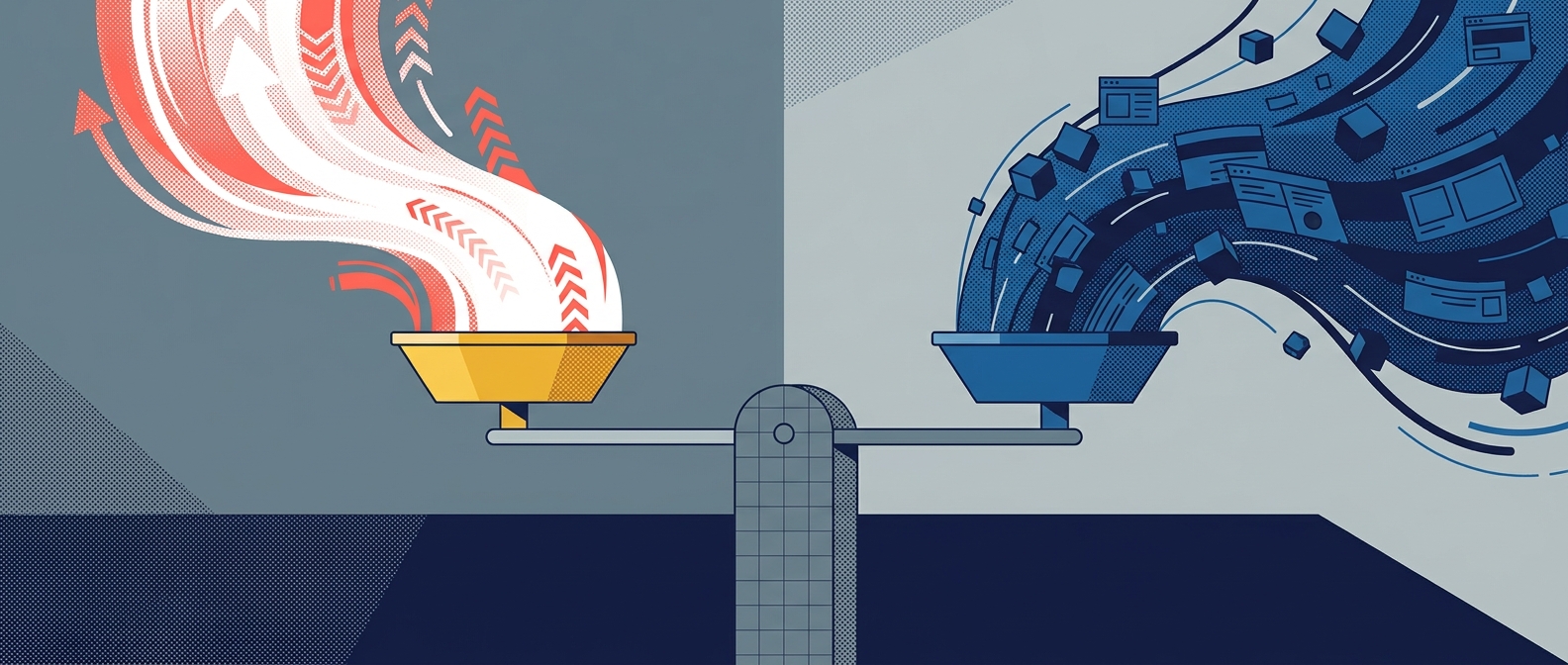
Email users suffer from ambivalence, feeling split between productivity gains and severe overload or constant interruptions. Existing research predominantly concentrates on the distress caused by receiving emails, overlooking the distinct dynamics and eustress associated with sending emails.
Outcome
- The paper proposes the Transactional Model of Email Stress (TMES), establishing that email stress is a dynamic process shaped by sender and receiver roles.
- Sending emails generally triggers eustress, offering senders a sense of control, task delegation, and productivity.
- Receiving emails primarily creates distress through incoming volume, constant interruptions, and emotional ambiguity in messages.
- Targeted email training and explicit organizational communication norms can mitigate distress while preserving productivity benefits.
- Sending emails generally triggers eustress, offering senders a sense of control, task delegation, and productivity.
- Receiving emails primarily creates distress through incoming volume, constant interruptions, and emotional ambiguity in messages.
- Targeted email training and explicit organizational communication norms can mitigate distress while preserving productivity benefits.
What it means for you
- CIO / IT Executive: On Monday morning, initiate a discussion with your direct reports and heads of departments to explore piloting a specific email management training program for all employees, focusing on techniques that address both sender eustress and receiver distress, as outlined by the TMES model.
- IT Manager: On Monday morning, review the current email client settings and identify opportunities to implement or enhance features that automatically categorize or filter incoming emails based on sender or keywords, thereby reducing receiver distress for your team.
- Business Strategist: On Monday morning, draft a proposal for a new organizational communication norm that encourages concise and action-oriented email content from senders, aiming to maximize sender eustress by clearly delegating tasks and minimizing receiver distress caused by ambiguity.
- Researcher: On Monday morning, begin drafting a research proposal to empirically test the TMES model by designing a study that measures sender eustress and receiver distress across different organizational contexts and email usage patterns.
- Policymaker: On Monday morning, schedule a meeting with key stakeholders to discuss the development of an organizational policy that mandates specific email etiquette training, emphasizing balanced sender and receiver perspectives as informed by the TMES framework.