
Key question New
AI-processed · Author-approved
How does app-based restaurant queueing impact customer spending and foot traffic at nearby businesses?
Loads Spotify's player; Spotify may set cookies. This device remembers your choice.
Key findings
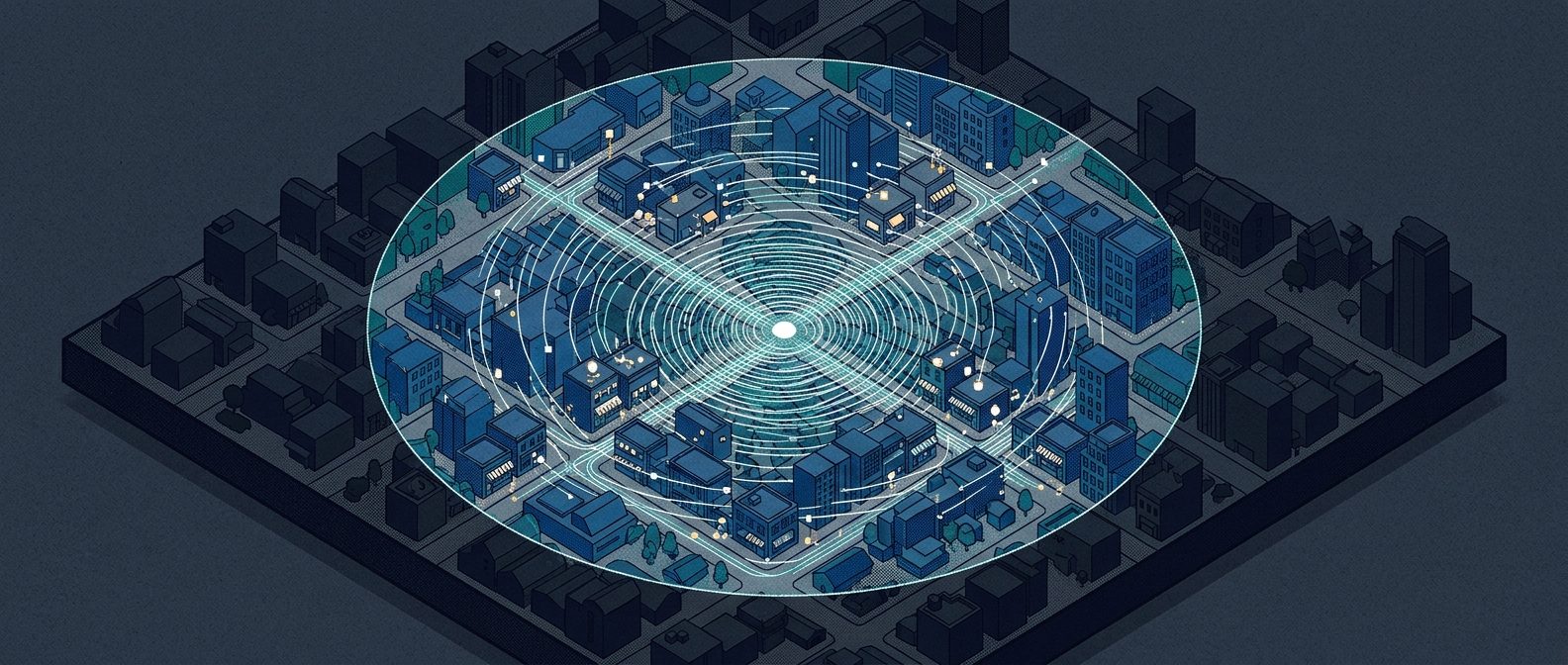
- Virtual queue adoption increases neighboring transaction counts within 150 meters by approximately 7.3 percent.
- The transaction spillover is sharply localized, with no statistically significant effect detected at 250 meters or beyond.
- Total sales amounts and average ticket sizes at neighboring establishments showed no statistically significant changes, indicating additional purchase occasions rather than larger purchases.
- Foot traffic, resident, and workplace population measures showed no detectable response, demonstrating that commercial transaction gains decoupled from observable population movements.
- Transaction gains were concentrated in fast, interruptible business categories such as cafés, bakeries, and fast food rather than full-service restaurants.
- The transaction spillover grew larger as tethering intensity, measured by average waiting team counts, increased.
What it means for you
CIO / IT Executive
Review the corporate digital product roadmap to prioritize API integration capabilities in our virtual queue and waiting-management software, specifically ensuring seamless data sharing to help neighboring merchant networks capitalize on localized customer spillover.
IT Manager
Audit our restaurant queue-management application's location-based notification settings this morning to ensure push notifications and digital wait-time alerts are aggressively geofenced to target users within a tight 150-meter radius.
Business Strategist
Draft a partnership proposal by noon to pitch cross-promotional micro-discounts to quick-service adjacent businesses—such as nearby cafés and bakeries—located within 150 meters of high-volume client restaurants utilizing our virtual queue platforms.
Researcher
Design a follow-up empirical study isolating merchant category codes within the 150-meter buffer zone to test whether digital queue tethering alters consumer time-use efficiency rather than physical spatial mobility.
Policymaker
Draft an agenda for the municipal urban planning committee to re-evaluate how commercial vitality and retail district health are measured, ensuring local economic assessments do not solely rely on traditional foot-traffic or aggregate transit metrics.
Summary
This study investigates how restaurant adoption of virtual queue platforms influences neighboring business activity and local foot traffic. Using a staggered difference-in-differences design, the authors analyze card transaction records and cell-level mobile network population data across restaurants in Busan, South Korea, between 2022 and 2023.
Problem
Virtual queue systems release customers from physical waiting lines, but traditional retail theories assume commercial spillovers require drawing new visitors into the district. It remains unclear whether algorithmic wait-management reshapes commercial activity around adopting businesses without altering aggregate population flows.
Transcript
Expert: Hello, Anna. This study investigates what occurs when restaurants adopt virtual queue systems. Instead of requiring patrons to wait in physical lines outside, mobile platforms notify customers when their table is ready. The researchers analyzed how this operational change affects commercial transactions and pedestrian foot traffic among neighboring businesses.
Host: Alex, traditional retail agglomeration models suggest that commercial spillovers require drawing new visitors into a commercial district. What makes virtual queues different?
Expert: With virtual queues, customers have already decided to visit the focal restaurant, so they do not represent new arrivals to the district. However, once freed from the physical sidewalk line, they experience what the authors define as algorithmic tethering. Customers are spatially released to walk around, yet remain bound by an unpredictable wait time and a strict five- to ten-minute grace period to return once notified. The study examined whether this waiting behavior reshapes local commerce, and whether standard foot-traffic metrics capture that activity.
Host: How did the authors evaluate this empirical question?
Expert: The study analyzed 273 restaurants in Busan, South Korea, across 2022 and 2023, using a staggered difference-in-differences design. The authors combined 50-meter grid credit card transaction records from Shinhan Card with hourly, cell-level mobile network population data from SK Telecom. By comparing adopting restaurants to not-yet-treated controls across concentric distance bands, they isolated local spillover effects while excluding the adopting restaurants' own sales.
Host: What did the analysis find regarding neighboring transactions?
Expert: Adopting a virtual queue increased transaction counts at neighboring establishments within 150 meters by approximately 7.3 percent. This effect was sharply localized: at 250 meters and beyond, the estimated effect was statistically indistinguishable from zero.
Host: Did neighboring merchants see an increase in overall revenue or transaction size?
Expert: The data showed that neighboring sales amount and average ticket size did not experience statistically significant increases. This indicates that the spillover operated on the extensive margin—generating additional, separate purchase occasions rather than larger expenditures per visit.
Host: What did the mobile population data show during these periods?
Expert: Mobile network measures for visitor, resident, and workplace populations showed no detectable change. The confidence intervals rule out population changes large enough to match the 7.3 percent increase in transactions. The authors describe this decoupling of transaction activity from observable population flow as invisible redistribution.
Host: Did specific types of neighboring businesses benefit more than others?
Expert: Yes. The transaction increase concentrated in quick-service, interruptible categories such as cafés, bakeries, and fast food. Full-service restaurants did not see comparable gains. In addition, the spillover grew larger as tethering intensity increased, meaning neighboring transaction gains were higher when focal restaurants maintained larger queues.
Host: What are the practical takeaways for business managers and commercial analysts?
Expert: For merchants operating within 150 meters of high-demand restaurants, virtual queue adoption creates opportunities to serve customers who have short windows of waiting time. Quick-service businesses can design products and service speeds suited for customers who might need to leave on short notice.
Host: And how should retail analysts and commercial property managers view these findings?
Expert: Analysts frequently rely on mobile network or foot-traffic data to evaluate retail performance and commercial site selection. This study demonstrates that algorithmic tools can redistribute spending locally without altering aggregate foot traffic. Consequently, evaluating commercial vitality through foot-traffic metrics alone may miss localized shifts in purchasing occasions. At the same time, because neighboring sales amounts did not robustly increase, property managers should not assume these localized transaction gains immediately translate into higher merchant revenue or support rent increases.
Host: Virtual queues can generate localized, quick-service transactions nearby while remaining undetectable in conventional population-flow data. Alex, thank you for sharing these insights.
Expert: Thank you, Anna.
Host: And thank you for tuning in to A.I.S. Insights — powered by Living Knowledge. Join us next time for more evidence-based analysis.
virtual queue systems, algorithmic tethering, retail spillover, urban economics, consumer behavior, difference-in-differences